
Zambia Safe Water Project
Rehabilitated handpumps, local maintenance capacity and WASH activity supporting safer, more reliable community water access.
Climate finance connected to practical delivery
Community water management supported by local delivery and monitoring.
Many rural communities in Zambia rely on hand-dug wells, streams or damaged water infrastructure. Where water must be boiled, households also carry the cost, smoke exposure and fuel demand associated with purification.
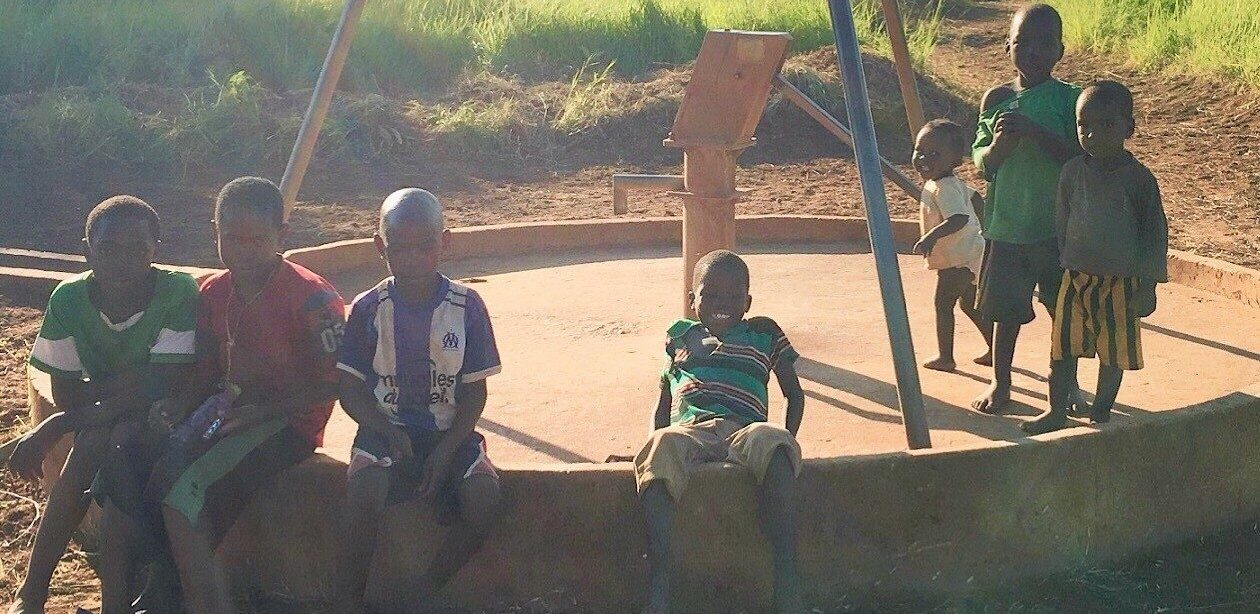
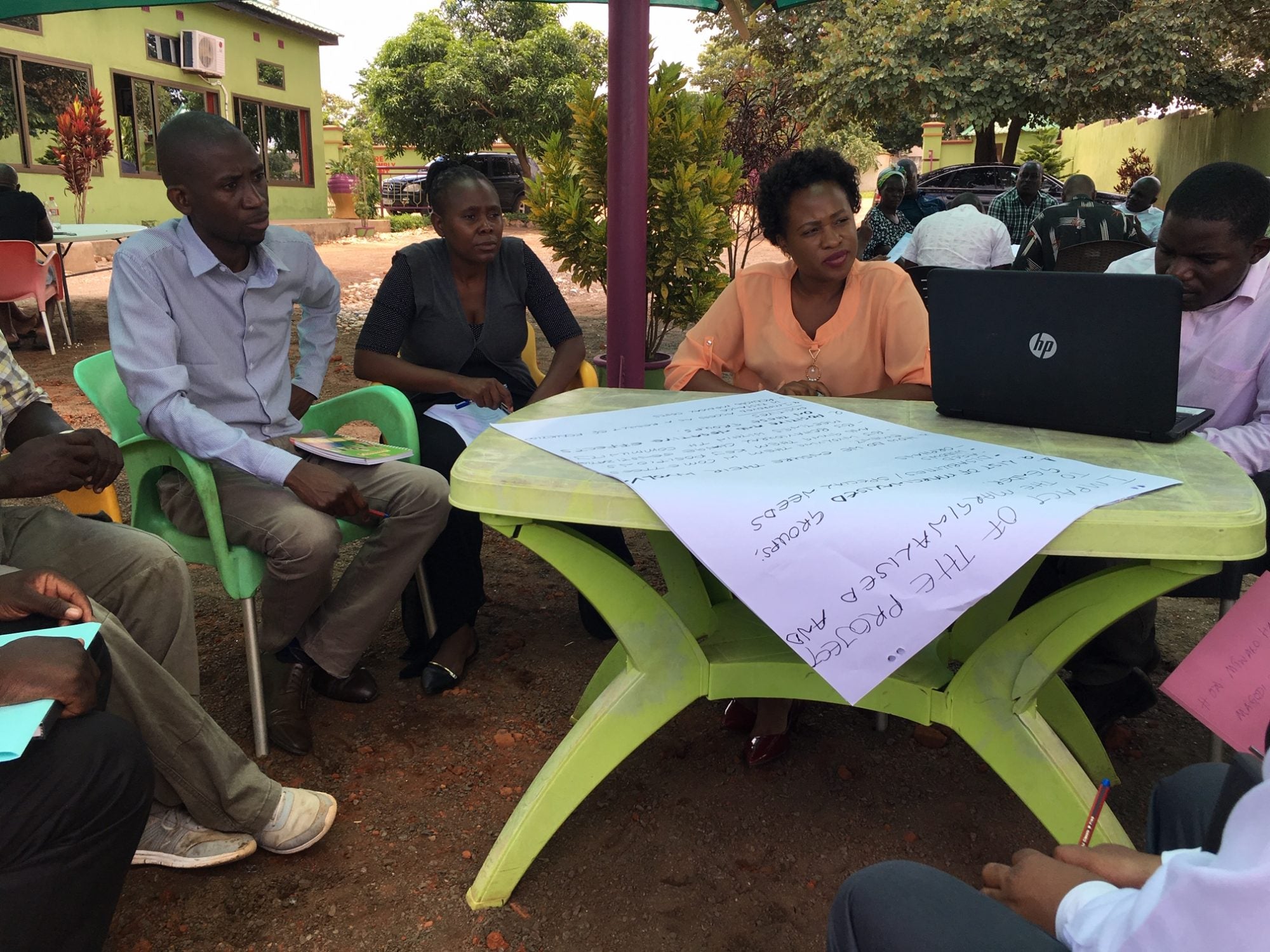
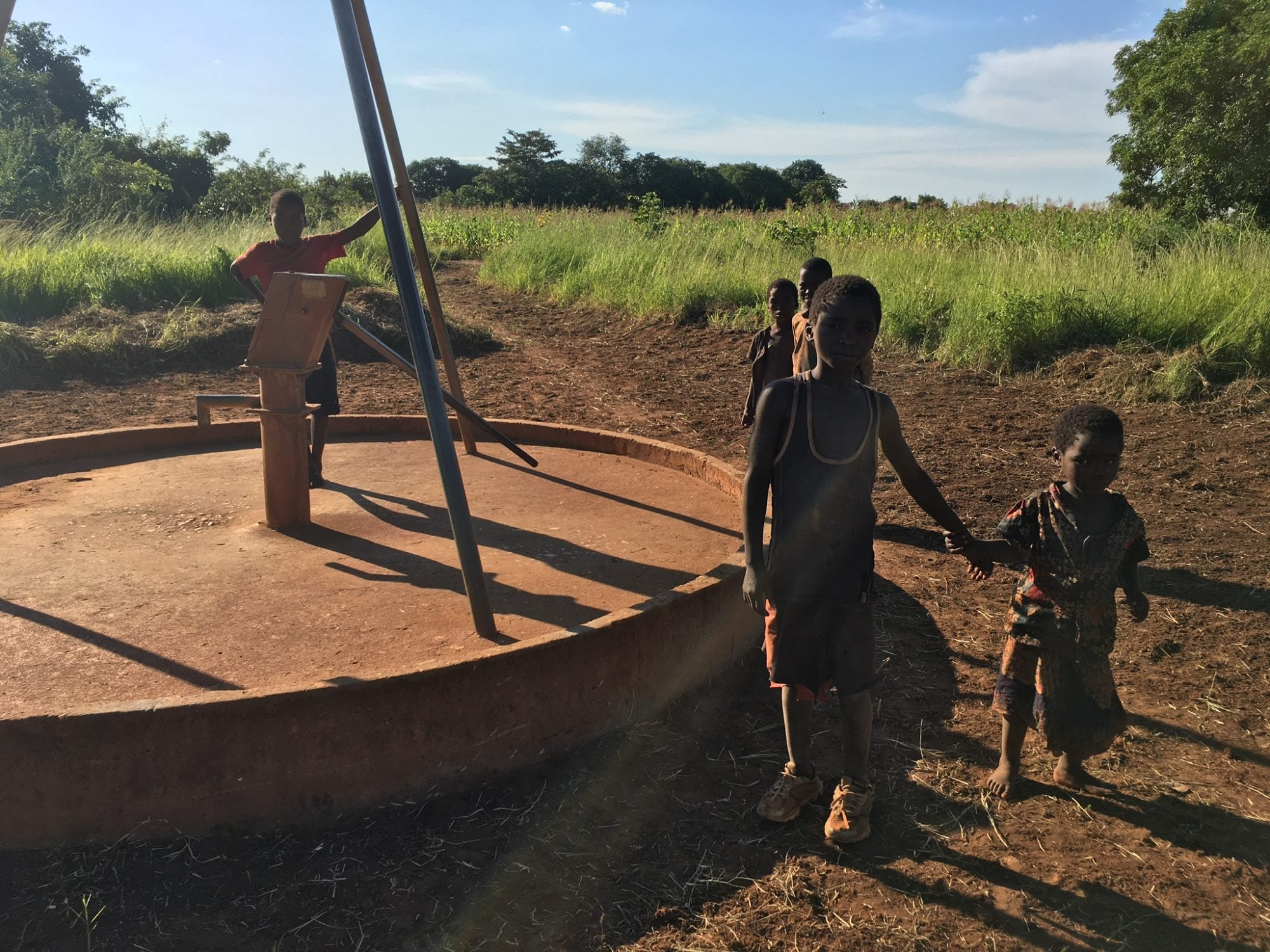
The project rehabilitates and maintains handpump boreholes, trains communities in WASH practices and builds local capacity to manage water points over the longer term.
Technology, people and place
CO2balance project photography showing the infrastructure and local context behind the project record.
Delivery backed by monitoring
Each functioning water point gives participating communities a reliable groundwater source and reduces the need to boil water as a treatment method. Maintenance and water point management are integral to the delivery model.
A nearer water source can reduce time spent collecting water and firewood, supporting school attendance, household wellbeing and economic activity.
Climate impact alongside community priorities
Project monitoring can cover emissions reductions together with locally relevant outcomes. The applicable indicators and certification claims depend on the project design and monitoring period.
Discuss this project with our team
Ask about project status, documentation, monitoring or carbon credit availability.