
What changes for households
Reliable safe water can remove the need to boil water with wood or charcoal, shorten collection journeys and reduce exposure to water-related illness.
CO2balance safe water projects rehabilitate and maintain community water points. Reliable access to safe water reduces the need to boil water over wood or charcoal fires, while supporting better health and saving time for participating households.
In communities where drinking water would otherwise be collected from unsafe sources, boiling it can require substantial quantities of wood or charcoal. A functioning water point changes that daily routine and provides the basis for a measurable emissions reduction.
CO2balance teams work with communities and local delivery partners so repairs, water-point management and monitoring continue beyond installation.
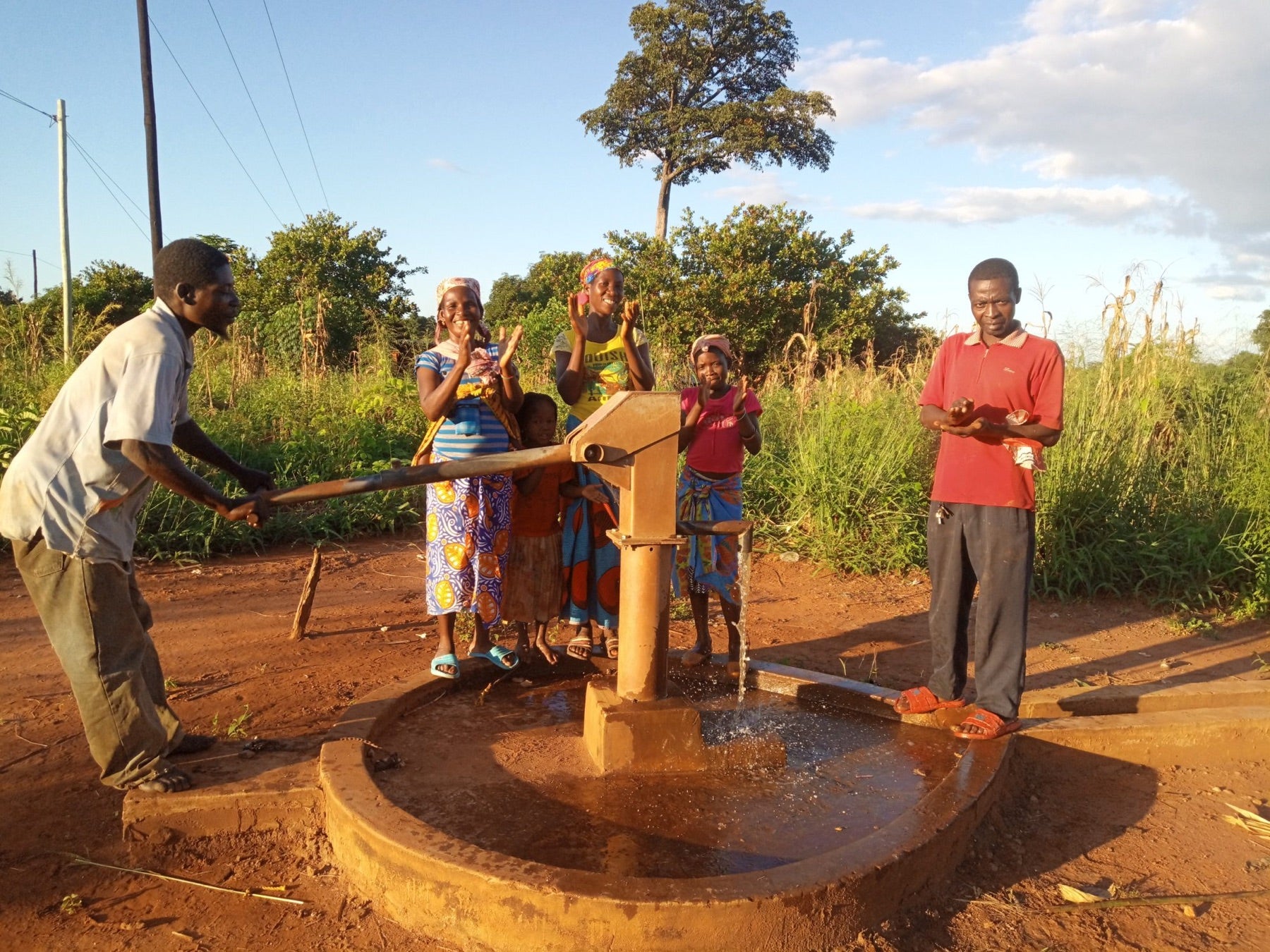
A restored borehole can bring safe water closer to participating households and reduce reliance on unsafe sources. The project model also considers ongoing maintenance, local management and whether the water point remains functional.
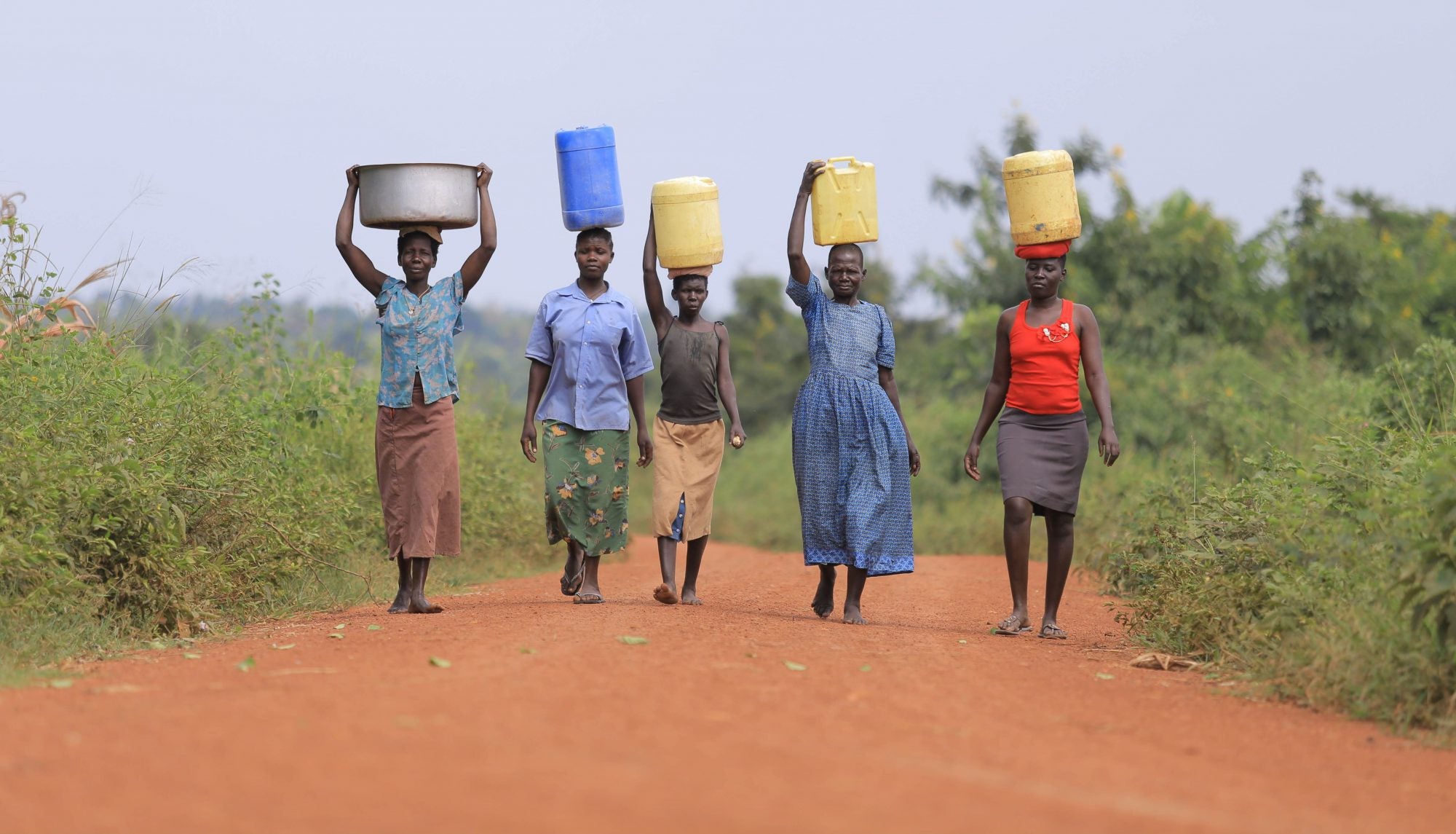
Distance, reliability and the time required to collect water all influence the wider value of a safe water project.
Reliable safe water can remove the need to boil water with wood or charcoal, shorten collection journeys and reduce exposure to water-related illness.
Water-point functionality, community management, maintenance arrangements and monitoring all matter over the life of the project.
Carbon finance supports the infrastructure, local arrangements and ongoing evidence needed to maintain safe water access and verify the resulting emissions reductions.
Existing infrastructure, water access and the baseline household practice are assessed before a project activity is defined.
Boreholes and handpumps are restored or maintained, with arrangements designed to keep the water point functioning over time.
Community structures and local partners support day-to-day management, reporting and maintenance of the water point.
Project records and field evidence are collected against the applicable methodology and submitted through independent verification before credits are issued.
Credible safe water projects depend on more than the initial repair. CO2balance links water-point records, local management, maintenance activity and project monitoring to the evidence required under the applicable carbon standard.
Related services, project examples and technical guidance from CO2balance.
Straight answers on project fit, verification and what happens next.
They reduce the need to boil unsafe water over wood or charcoal fires by improving access to reliable clean water sources.
Projects can support clean water access, health, time savings, resilience and local water point maintenance.
Safe water credits should be backed by recognised standards, independent verification and project monitoring evidence.
Availability varies, but CO2balance can help buyers understand project options, evidence and suitable project stories.
Share your volume, timing and reporting requirements. Our team can confirm current safe water project options, pricing and retirement evidence.