
What changes in the kitchen
A more efficient stove can reduce the fuel needed for the same cooking task, lowering household fuel costs or collection time and reducing smoke exposure.
CO2balance cookstove projects put more efficient cooking technology into everyday use. Lower fuel demand can reduce emissions and household costs, while local manufacture, distribution and long-term adoption remain central to project delivery.
An improved stove is designed to provide the same useful cooking energy with less fuel than the baseline technology. The climate outcome depends on the stove being appropriate for local cooking practices, reaching households and continuing to be used.
Project design begins with the cooking practices, fuels and supply chains in each location. The stove has to work for the household before it can work as a carbon project.

The climate benefit depends on a stove fitting local cooking practices and continuing to replace the baseline technology. Project design therefore starts with households, fuels and the meals prepared each day.
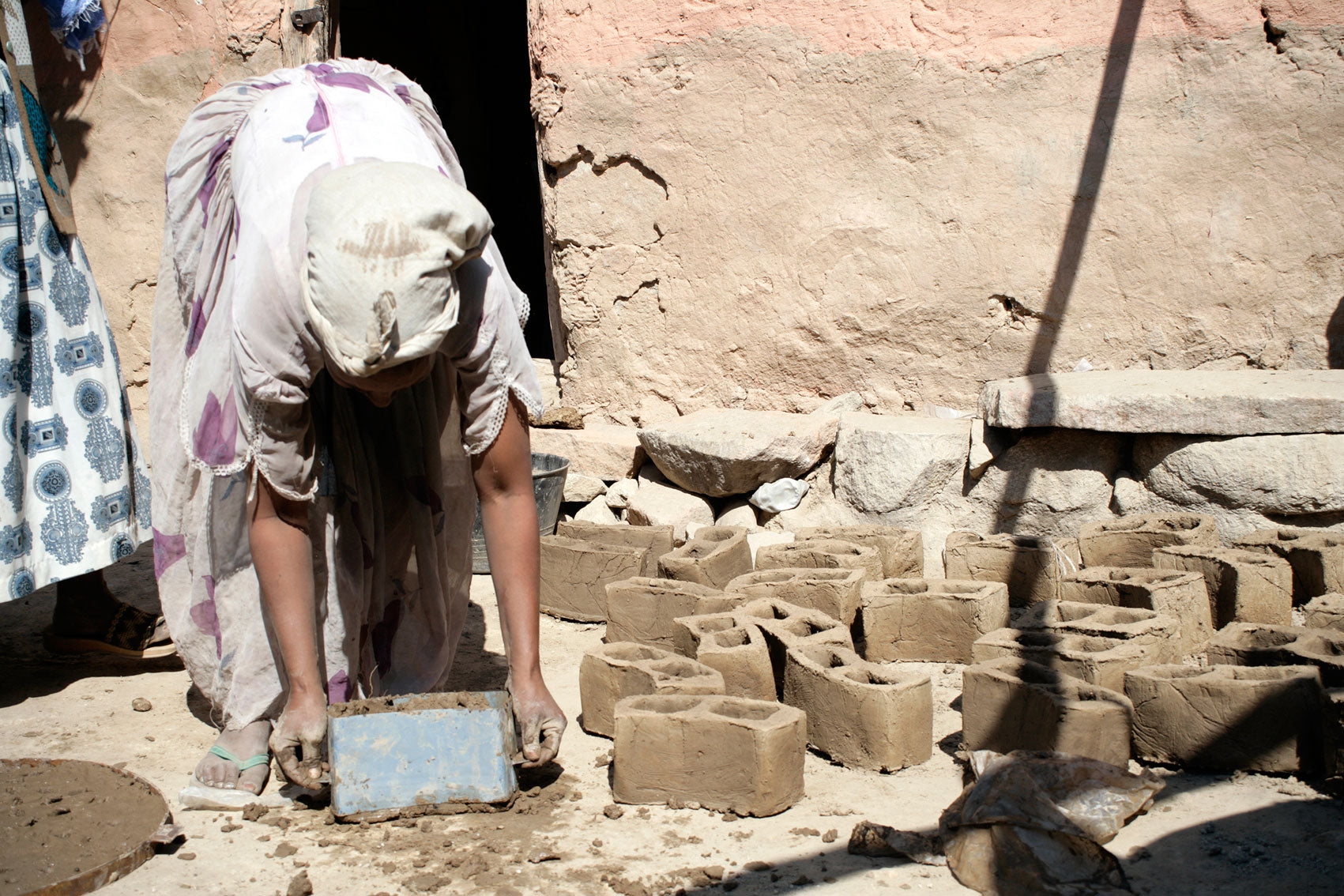
Local production and distribution can support skills and livelihoods while keeping project technology closer to the people who use it.
A more efficient stove can reduce the fuel needed for the same cooking task, lowering household fuel costs or collection time and reducing smoke exposure.
Distribution records alone are not sufficient. Adoption, usage and performance need to be monitored in line with the applicable methodology.
The work continues after a stove reaches a household. Project teams monitor real-world use and maintain the records required for independent verification.
The stove design, baseline technology, fuel and local cooking practices are considered when the project and monitoring approach are developed.
Stoves are produced or sourced, quality checked and distributed with the household information needed for effective use.
Field monitoring considers whether the stove is being used, how it performs in practice and whether the baseline technology remains in use.
Monitoring evidence is assessed against the applicable methodology and independently verified before the resulting credits are issued.
Cookstove credits depend on documented distribution, adoption and continued use. CO2balance field teams collect project data against the monitoring requirements of the applicable methodology before reductions are independently verified.
Related services, project examples and technical guidance from CO2balance.
Straight answers on project fit, verification and what happens next.
Improved cookstoves reduce fuel demand, which can lower emissions when usage and performance are properly monitored.
Credits should reflect real-world use, so monitoring how households use the stoves is central to project integrity.
They can be useful for buyers seeking verified climate impact with strong household and community benefit narratives.
Yes. Talk to the team about availability, project fit and how cookstove credits could sit alongside other project types.
Discuss your volume, timing and project preferences. Our team can confirm current cookstove credit availability, project evidence, pricing and retirement arrangements.