
Host-country decision
The competent government authority decides whether and how mitigation outcomes may be authorised for international use.
Article 6 and international carbon markets
A Letter of Authorisation, often shortened to LoA, records a host country’s authorisation of specified mitigation outcomes for a defined international use. Its scope matters: the activity, units, time period, authorised entities and intended purpose should all be read carefully.

The short answer
An LoA is issued by an authorised host-country body. It identifies the mitigation outcomes and international use being authorised, together with the entities, periods and conditions covered. It should not be treated as a blanket approval for every credit from a project.
The competent government authority decides whether and how mitigation outcomes may be authorised for international use.
The authorisation may cover named activities, entities, vintages, volumes and uses. Anything outside that scope requires separate confirmation.
Where required, the host country commits to the Article 6 accounting and reporting needed to avoid double counting.
Article 6 pathway
The exact national process varies, but a credible pathway connects project information, government authorisation, registry records and international reporting.
Identify whether outcomes are intended for another country’s NDC, CORSIA or another international mitigation purpose.
Provide the host authority with the activity, methodology, expected outcomes, safeguards and requested scope of authorisation.
The competent authority issues its decision and the relevant programme or registry links it to the covered activity and units.
Once the applicable first-transfer event occurs, the outcomes are tracked and the host country applies the required accounting and reporting.
Read the scope
Terminology and document formats differ between countries. The practical question is whether the letter clearly covers the outcomes and use being proposed.
Project readiness
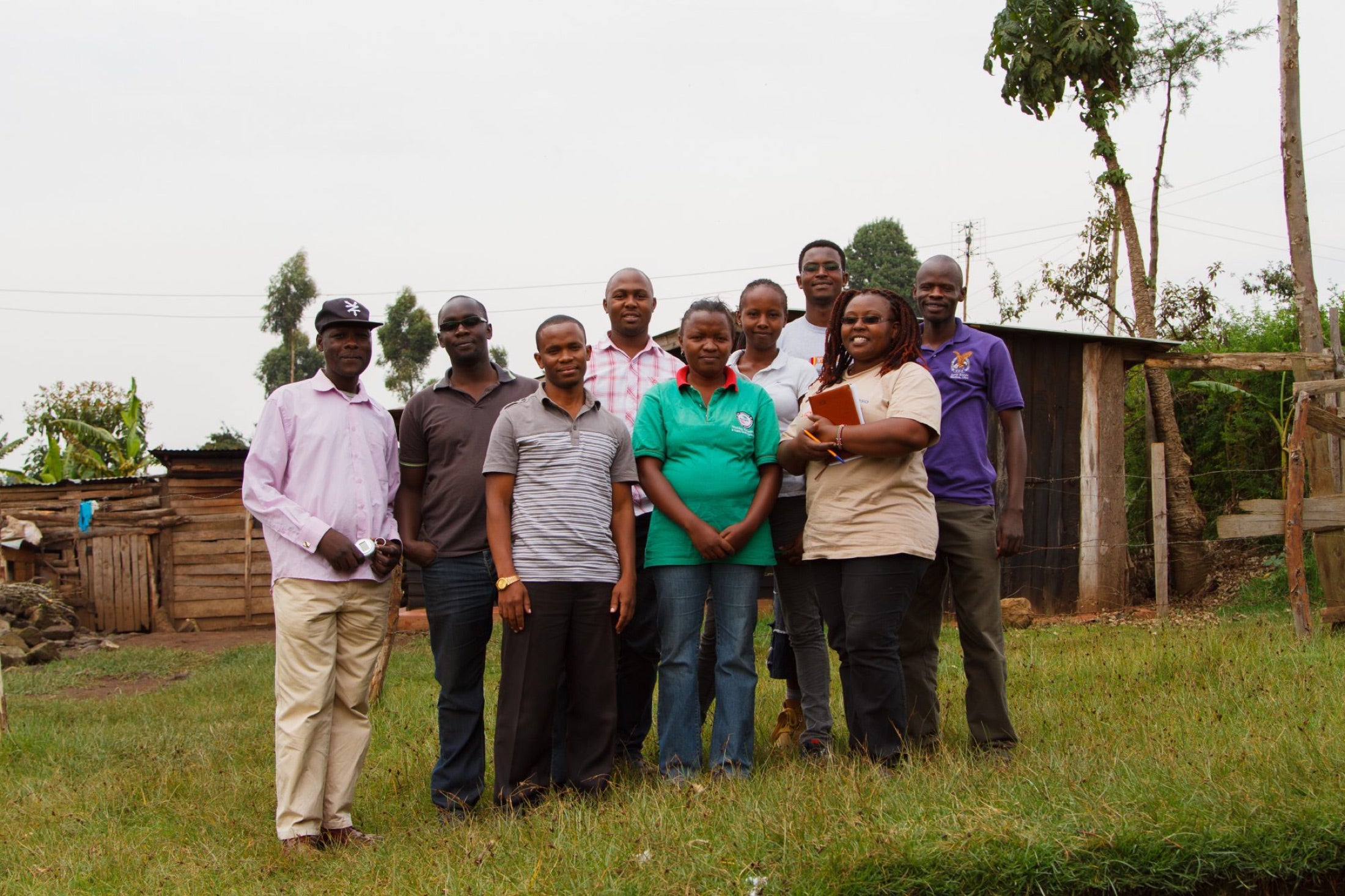
Government engagement is stronger when the project can demonstrate a credible methodology, clear ownership and benefit-sharing arrangements, robust monitoring and alignment with national climate priorities. An LoA does not replace those foundations.
Different uses
A host country may authorise mitigation outcomes for use towards another country’s NDC or for another international mitigation purpose. Authorised outcomes become ITMOs upon the applicable first transfer.
For relevant CORSIA units, host-country authorisation or attestation supports avoidance of double claiming. The units must still satisfy all current ICAO programme and unit-level eligibility rules.
Read our CORSIA guide →Many voluntary credits do not require Article 6 authorisation. Some buyers seek authorised units for particular claims or procurement policies, but the intended use and accounting treatment must be defined precisely.
Avoiding double counting
The LoA records the host country’s authorisation and commitment. The corresponding adjustment is the accounting action used to reflect the authorised transfer or use in the host country’s Article 6 reporting. Buyers should check both the authorisation and the arrangements for evidencing the adjustment.
The host country specifies what is authorised, for whom and for which international purpose.
The relevant event turns an authorised mitigation outcome into an internationally transferred mitigation outcome under Article 6 accounting.
The host country accounts for the authorised use through its Article 6 and Biennial Transparency reporting arrangements.
Real-world outcomes
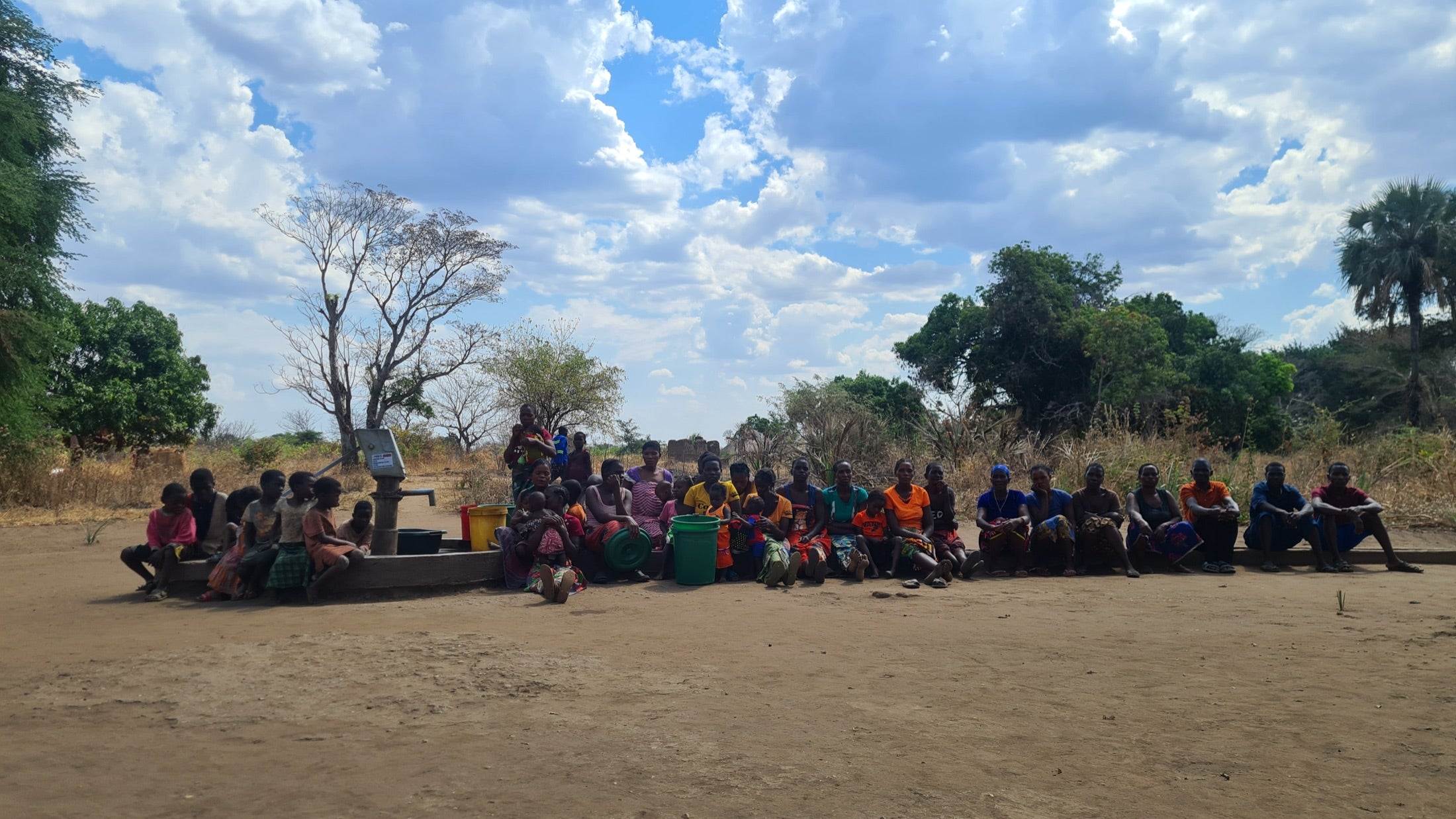
An LoA can clarify sovereign consent and international accounting, but environmental integrity still depends on the underlying activity. Methodology, additionality, monitoring, independent verification, safeguards and community outcomes remain essential.
Important limits
Authorisation is an important sovereign and accounting signal, not a substitute for project or unit due diligence.
Due diligence
Review the original document alongside the registry record, current host-country rules and the requirements of the intended market.
This page provides general information and is not legal, regulatory or claims advice. Requirements vary by host country, carbon-crediting programme and intended use. Obtain current specialist advice for a specific transaction.
CO2balance support
CO2balance can support project feasibility, methodology selection, documentation, monitoring and engagement planning. The host-country authority retains responsibility for its authorisation decision, and formal legal or compliance advice should come from appropriately qualified advisers.
Frequently asked questions
Talk to CO2balance about project readiness, host-country engagement and the evidence needed for an informed authorisation pathway.